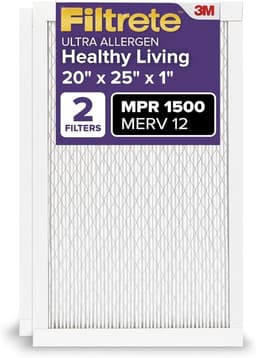
Filtrete MPR 1500 Allergen, Bacteria & Virus
MERV 12Filtrete (3M)
~$60/6-pack6-pack
Bob Vila's #1 overall. Consumer Reports top performer. The gold standard for premium filtration.
Check Price on Amazon →MERV 11 is the minimum for seasonal allergies like pollen, dust mites, and mold spores. For severe allergies or asthma, upgrade to MERV 13 for finer particle capture down to 0.3 microns. Our top picks: the Filtrete MPR 1500 (~$60/6-pack), Bob Vila's #1 overall pick and Consumer Reports top performer, and the Nordic Pure MERV 13 (~$50/6-pack) for full MERV 13 performance at a lower price point.
Spring is the most intense allergy season for most of the United States. Tree pollen peaks in March and April, grass pollen ramps up in May, and mold spore counts rise as temperatures warm and snow melts.
Install a fresh filter by early March
Don't start allergy season with a half-used filter. A new MERV 11 or MERV 13 filter ensures maximum capture capacity when pollen counts spike.
Replace every 30 to 45 days through May
High pollen loads fill filters faster than normal. Check your filter biweekly and replace it when it looks visibly dirty.
Keep windows closed during peak hours
Pollen counts are highest between 5 AM and 10 AM. Keeping windows shut during these hours and running your HVAC fan forces all air through the filter.
Fall brings a different set of triggers. Ragweed pollen dominates September and October, mold spores increase with falling leaves and dampness, and dust mites thrive as homes close up for cooler weather.
Fresh filter by late August
Ragweed season starts in mid-August in many regions. Have a new filter installed before the first ragweed counts appear.
Address moisture and mold
Keep indoor humidity between 30 and 50 percent using a dehumidifier if needed. Falling leaves and rain create ideal mold conditions outdoors, and those spores find their way inside.
Watch for dust mite spikes
As you seal up the house for fall, dust mite populations can surge. MERV 11 and higher filters capture dust mite allergens that basic MERV 8 filters let through.
Filtrete (3M)
Bob Vila's #1 overall. Consumer Reports top performer. The gold standard for premium filtration.
Check Price on Amazon →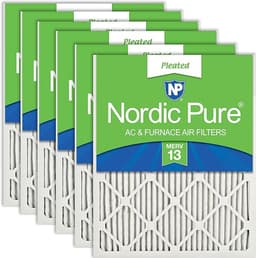
Nordic Pure
MERV 13 performance at a lower price than Filtrete equivalents. Best value premium filter.
Check Price on Amazon →Set a replacement reminder
Get a reminder in 90 days with a direct link to reorder.
Get reminded to install a fresh filter before peak allergy season hits. Being proactive makes a significant difference in indoor air quality.
MERV 11 is the minimum for capturing pollen, dust mites, and mold spores. For severe pollen allergies or if you also have asthma, step up to MERV 13, which captures finer particles down to 0.3 microns. The EPA recommends MERV 13 for managing airborne allergens effectively.
Every 30 to 45 days during peak allergy season (spring and fall). High pollen counts clog filters faster than normal. Check your filter every two weeks. If it looks visibly dirty or gray, replace it early. During off-peak months, the standard 60 to 90 day interval is fine.
True HEPA filters are too dense for residential HVAC systems. They restrict airflow so severely that they can damage your blower motor and reduce efficiency. MERV 13 is the highest rating recommended for residential HVAC use. If you need HEPA-level filtration, use a standalone portable HEPA air purifier alongside your HVAC filter.
MERV 11 handles most seasonal allergy triggers: pollen, dust mites, pet dander, and mold spores. MERV 13 catches smaller particles including some bacteria and virus carriers, making it the better choice for severe allergies, asthma, or households with immunocompromised members. If your HVAC can handle it, MERV 13 provides noticeably better allergy relief.
Keep humidity between 30 and 50 percent to discourage dust mites and mold. Run your HVAC fan on 'ON' instead of 'AUTO' for continuous filtration. Vacuum with a HEPA-equipped vacuum weekly. Shower and change clothes after spending time outdoors during high pollen days. Keep windows closed during peak pollen hours (typically 5 AM to 10 AM).