MERV 11 vs MERV 13: Which Rating Do You Actually Need?
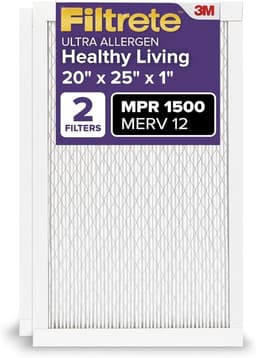
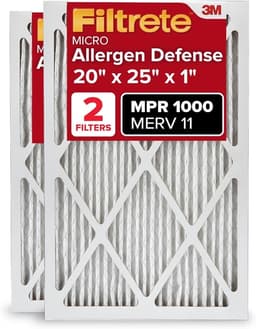
MERV 11 is the right choice for most homes. It catches pet dander, dust mites, mold spores, and pollen, which covers the biggest indoor air quality concerns for the average household. MERV 13 captures finer particles down to 0.3 microns, including bacteria, smoke, and virus carriers. That sounds impressive, but it comes with tradeoffs: higher cost per filter, more airflow restriction on your HVAC system, and faster pressure buildup. Unless you have severe allergies, asthma, or live in a wildfire-prone area, MERV 11 handles the job without overworking your furnace. The Filtrete MPR 1000 (MERV 11) at ~$50 per 6-pack covers pets and mild allergies. The Filtrete MPR 1500 (MERV 12/13 tier) at ~$60 per 6-pack is only necessary when you need maximum particle capture.
MERV 13 catches particles down to 0.3 microns, including bacteria, smoke particles, and virus carriers. MERV 11 stops at about 1 micron, missing those ultra-fine particles. If raw filtration power is the goal, MERV 13 wins clearly.
MERV 11 has noticeably less airflow restriction than MERV 13. Denser filter media means your blower motor works harder, which can increase energy costs and reduce HVAC lifespan over time. MERV 11 is the safer choice for older systems or units with weaker blowers.
Filtrete MPR 1000 (MERV 11) costs ~$50 per 6-pack. Filtrete MPR 1500 (MERV 13 tier) costs ~$60 per 6-pack. That's $10 more per cycle, adding $20 to $40 in annual cost. MERV 13 filters also build up pressure faster, sometimes requiring earlier replacement.
MERV 11 works safely in virtually all residential HVAC systems. MERV 13 can cause problems in older furnaces or systems with undersized return ducts. If your system wasn't designed for high-MERV filters, MERV 13 can reduce airflow enough to trigger the high-limit switch.
MERV 11 is right for pet owners, mild allergy sufferers, and general indoor air quality improvement. MERV 13 is right for severe allergies, asthma, immunocompromised individuals, and homes in wildfire zones. Neither is universally better; it depends on your specific health needs.
The Verdict
MERV 11 for most homes with pets and mild allergies. It covers the particles that matter most (dander, dust mites, pollen) without straining your HVAC. Only upgrade to MERV 13 if you have severe allergies, asthma, immunocompromised family members, or deal with wildfire smoke. The extra cost and airflow restriction are not worth it unless you genuinely need that level of filtration.
The Two Filters Compared
Filter A
Filtrete MPR 1000 Micro Allergen
MERV 11
Filtrete (3M)
~$50/6-pack6-pack
3M's most popular mid-tier. Best overall pick for most homes with pets or mild allergies.
Pros
+ 3M's best-selling mid-tier filter
+ Electrostatic 3-in-1 technology for pet dander and allergens
+ Compatible with virtually all residential HVAC systems
+ Available in 25+ sizes
Cons
- ~$50/6-pack is double the cost of MERV 8 options
- MERV 11 misses smoke and bacteria (need MERV 13 for those)
It depends on your system. Most modern furnaces handle MERV 13 fine, but older systems or those with undersized return ducts may experience reduced airflow. Check your HVAC manual or ask your technician. If in doubt, MERV 11 is the safer choice.
Is MERV 13 overkill for a normal house?
For most homes without severe allergies or smoke exposure, yes. MERV 11 captures pet dander, dust mites, pollen, and mold spores, which covers the vast majority of indoor air quality concerns. MERV 13 adds meaningful protection only for very fine particles like bacteria and smoke.
Can I alternate between MERV 11 and MERV 13 filters?
Yes, you can switch between MERV ratings as long as the physical dimensions match. Some people use MERV 13 during allergy season or wildfire events and drop back to MERV 11 the rest of the year. This is a practical way to balance cost and protection.